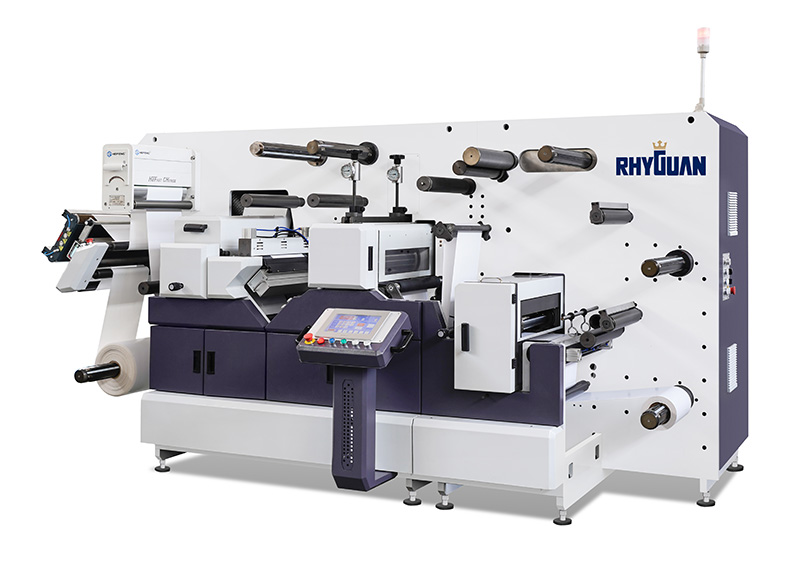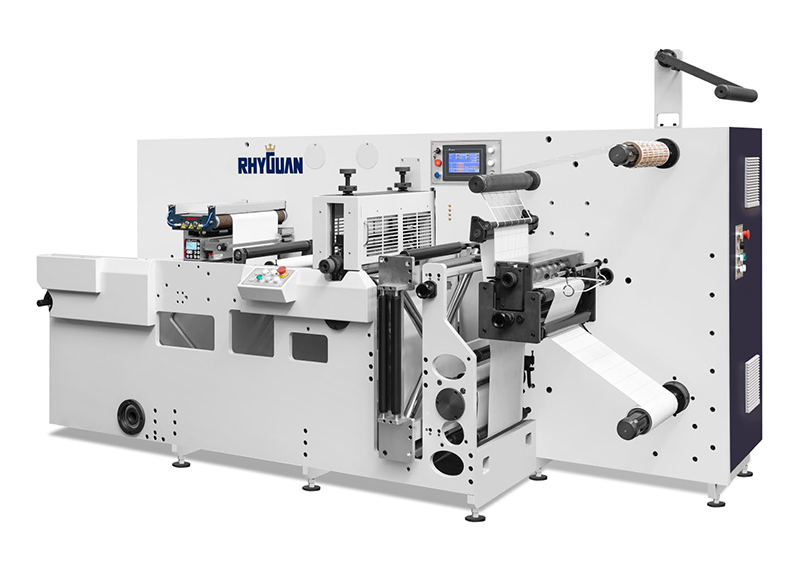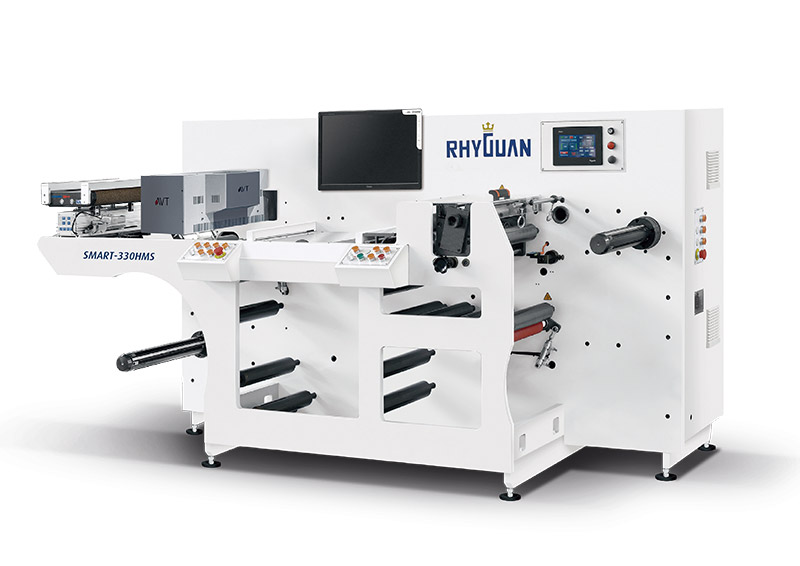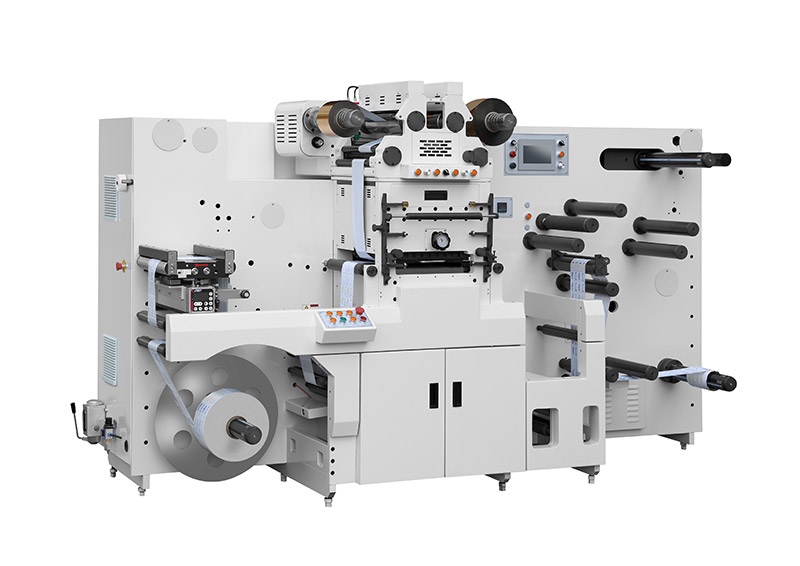
Rotary die cutting machines are the backbone of high-volume label, packaging, and converting operations. They run at speed, handle a wide range of materials, and deliver the precision that modern production demands. But here is the challenge: most machines on the market look similar on the surface. Technical specifications are listed in every brochure, yet the numbers alone don't always tell you what matters for your actual production floor.
A rotary die cutting machine is a significant capital investment. Choose the wrong specifications, and you end up with misaligned cuts, frequent material jams, slow changeovers that eat into production time, and maintenance costs that accumulate faster than you expect. Understanding what each specification actually means for your daily operation is what separates a smart purchase from an expensive mistake.
The selection process for a rotary die cutting machine involves matching technical parameters to your actual production requirements—material types, output volumes, job changeover frequency, and future growth plans. At operating speeds of 110 to 180 meters per minute or higher, getting the specifications right from the start determines whether your machine runs smoothly for years or spends more time down for repairs than in production.
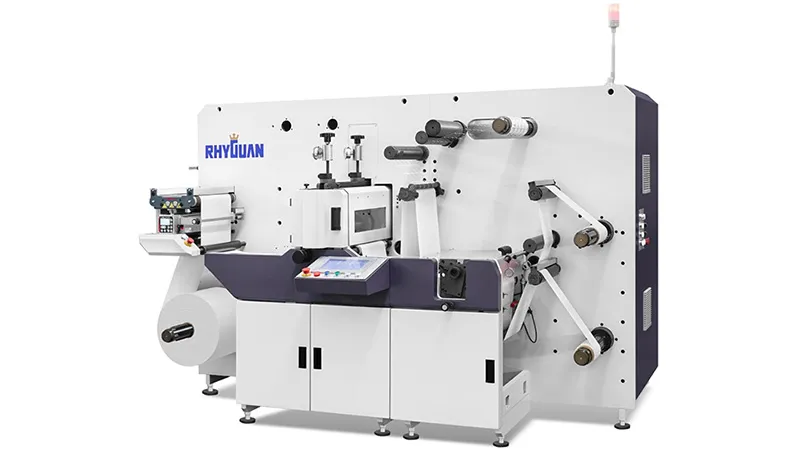
Production capacity specifications — Web width, maximum speed, and cutting repeat length determine what you can produce and how fast.Precision and quality specifications — Cutting tolerance, registration accuracy, and tension control directly affect finished product quality.Material handling specifications — Substrate compatibility, unwind/rewind capacities, and thickness range define what materials you can process.Drive and control specifications — Servo vs. mechanical drive, PLC brand, and control interface affect reliability, maintenance, and ease of operation.Tooling and changeover specifications — Die type, cylinder options, and setup time determine production flexibility
If you are comparing rotary die cutting machines on the market, here is what each key specification actually means for your production line.
The available web width determines the maximum material width your machine can handle. Common configurations range from 330mm to 520mm for label and narrow-web applications, with some industrial models reaching 850mm or more.
What this means for your production: choose a width that accommodates your current material sizes while leaving room for future product expansion. A machine that maxes out at your current web width leaves no flexibility for larger jobs.
Equally important is material compatibility. Rotary die cutting excels with thin, flexible materials and continuous roll feeds. Verify that the machine can handle your specific substrates—paper, BOPP, PET, foil, adhesive labels, or corrugated board. If your material exceeds approximately 0.015 inches (0.38mm) in thickness, flatbed die cutting may be a more practical choice.
Speed is typically expressed in meters per minute (m/min) or pieces per hour. Label and packaging rotary die cutters commonly operate at 110–200 m/min, with some high-end models reaching 400 m/min. For sheet-fed applications, speeds of 3,000–8,000 pieces per hour are typical.
What this means for your production: a higher speed rating is meaningless if the machine cannot maintain that speed consistently without jams or quality issues. Look for documented performance at rated speed, not just brochure numbers. Also consider whether the machine offers variable speed settings to match different production volumes.
Precision is where good machines separate from average ones. High-quality rotary die cutting machines maintain tolerances of ±0.15mm or better. Some advanced systems achieve ±0.05mm or even ±0.01mm for specialized applications.
Registration accuracy—the ability to align cuts precisely with pre-printed graphics—is critical for label and packaging production. Closed-loop camera registration systems can maintain ±0.15mm accuracy even at high speeds. Without accurate registration, you generate scrap and waste material.
What this means for your production: cutting tolerance directly affects product quality and waste rates. For complex designs where precise alignment is paramount, invest in machines with advanced registration systems and independent tension control.
This is one of the most important specification decisions you will make. Traditional mechanical (line-shaft) machines use gears and cam shafts to synchronize all stations. Fully servo-driven machines use independent servo motors for each station—unwind, die cutting, slitting, and rewinding.
What this means for your production:Servo-driven advantages:Each station adjusts independently through the control panel.Timing changes don't require mechanical adjustments.Superior tension control across the entire web path.Less daily maintenance compared to mechanical systems.Faster job changeovers—super fast job change in just minutes.Mechanical drive limitations:.Requires regular lubrication.Timing changes involve wrench work.Higher maintenance costs over time
Rotary die cutting uses cylindrical dies mounted on cylinders. Two primary options exist:
Flexible dies with magnetic cylinders are the industry standard for self-adhesive labels. They cost less than solid dies, allow quick changes, and are widely available from many tooling manufacturers.
Solid (engraved) dies handle tougher materials and longer production runs but are more expensive to purchase and maintain.
What this means for your production: evaluate the machine's tooling system based on your job mix. Frequent size changes require magnetic cylinders and flexible dies for quick changeover. Long, uninterrupted runs of the same product may justify solid dies. Also verify the machine's die cylinder circumference and repeat length range—these determine the maximum cut length the machine can produce.
Maximum unwind and rewind diameters determine how much material you can run before stopping to change rolls. Typical configurations range from 700mm to 1000mm in diameter.
What this means for your production: larger roll capacities mean fewer stoppages for roll changes—critical for high-volume continuous production. Also consider whether the machine offers automatic tension control or constant torque control for each shaft.
The PLC (programmable logic controller) brand and control interface affect reliability, ease of operation, and integration capability. Preferred brands include Siemens, Delta, or Mitsubishi.
What this means for your production: a user-friendly interface with intuitive controls minimizes setup time and operator training requirements. Process parameter storage allows quick recall of job settings. Automated features—feeding systems, waste removal, and programmable cutting parameters—reduce manual intervention and enhance consistency.
Verify voltage, phase, and frequency compatibility with your facility before purchasing. Conversion costs can be significant if the machine does not match your electrical infrastructure. Also confirm machine dimensions and required floor space—some rotary die cutters weigh 3,000 kg or more.
A machine is only as good as the support behind it. Key specifications to evaluate:Warranty: Typical coverage is one full year from installation or shipment. Clarify what is covered—parts, labor, duration—and whether wearing parts are included.Technical support: Confirm response times (≤2 hours indicates dedicated support infrastructure) and availability of remote troubleshooting.Spare parts: Verify that spare parts are readily available and that the supplier maintains inventory.On-site service: Engineers available to service machinery overseas is a key indicator of supplier commitment.What this means for your production: downtime costs money. A supplier with strong after-sales support minimizes production interruptions and protects your investment.
Choosing a rotary die cutting machine is about matching technical specifications to your actual production needs—not just comparing numbers on a brochure. The right specifications deliver consistent output, manageable maintenance, and the flexibility to handle different materials and job sizes as your business grows.
Whether you are still deciding on specifications or ready to move forward with a custom configuration, we can help. Contact our team to discuss your output targets, material types, web width requirements, and any custom configuration needs for your next rotary die cutting machine.
● Another PLUS-330 Machine Installed in Latin America
● Another Two Installations at Customers’ Site
● Rhyguan Plus Month
● Top security level in Rhyguan
● Another Rotary Die-cutting Installation at Cutsomer’s Site
● Perfect Factory Acceptance Testing for Label Inspection Machines
● New Rhyguan Factory Preview
● Rhyguan Industrial 4.0 Live Presentation
GET A QUOTE